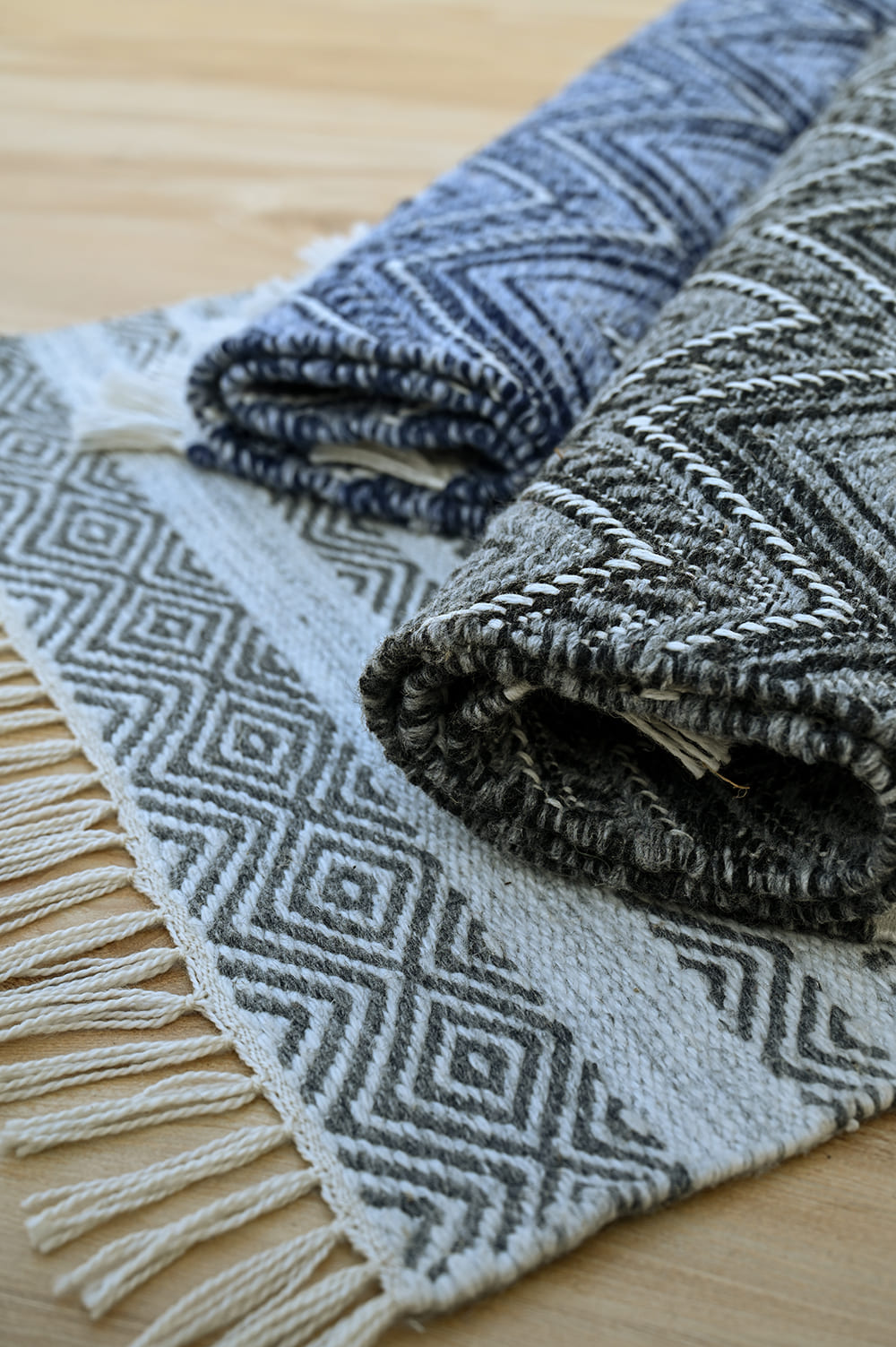
A hand-knotted wool rug can last 50, 80, even 100 years. We know
this because there are antique rugs from the workshops of Mirzapur and Persia
still in daily use today, softer and more beautiful than when they were first
unrolled. But that longevity is not automatic. It requires a little knowledge
and a small amount of consistent care.
The good news
is that handmade wool rugs are far more forgiving than most people think. Wool
is naturally stain-resistant, naturally antimicrobial, and naturally resilient.
You do not need expensive products or specialist equipment. You need the right
habits and an understanding of what actually damages a rug versus what is
simply part of living with one.
This guide
covers everything: daily maintenance, seasonal care, stain removal, what to do
and what never to do. Keep it somewhere useful.
Everyday Care: The Basics
Vacuuming
Vacuuming is
the single most important thing you can do to extend the life of a handmade
rug. Dirt and grit that settles into the pile acts like sandpaper on the fibres,
each footstep grinds it in deeper. Regular vacuuming removes it before it can
do damage.
How often:
once a week in high-traffic areas, once every two weeks in low-traffic rooms
like bedrooms.
How to vacuum
correctly:
•
Use the suction-only setting, no rotating brush or beater bar.
Beater bars are designed for wall-to-wall carpets and are too aggressive for
handmade rugs; they pull at the pile and can loosen knots over time.
•
Vacuum in the direction of the pile, run your hand across the rug
to find which direction the fibres lie flat, then vacuum that way.
•
Never vacuum the fringe. The fringe is an extension of the warp
threads that form the rug's structure. Vacuuming it will fray and eventually
break these threads. If the fringe needs cleaning, shake it loose or brush it
by hand.
•
Vacuum the back of the rug occasionally, lay it face down and
vacuum the back to dislodge deeply settled dust and grit that surface vacuuming
misses.
Quick
tip: If your rug sheds lightly in the first few months, this is
completely normal for a new wool rug. Loose fibres from the weaving process
work their way out gradually. It will stop on its own. Do not pull at loose
threads, cut them level with the pile using scissors.
Rotation
Rotate your
rug 180 degrees every 6 to 12 months. This distributes foot traffic, sunlight
exposure, and wear evenly across the entire surface. Without rotation, the area
near doorways and seating will show wear significantly faster than the rest of
the rug.
If your rug
sits under heavy furniture, use furniture coasters or pads under the legs to
prevent permanent compression of the pile. Even a small amount of protection
makes a large difference over years of use.
Quick
tip: If you notice flattened pile under furniture legs, place a damp
cloth over the area and gently steam it with a clothes iron held an inch above
the surface. The steam relaxes the fibres and restores the pile height.
Using a rug pad
A quality
non-slip rug pad underneath your rug does three things: it prevents the rug
from slipping on hard floors (a safety essential), it adds a layer of
cushioning that reduces pile compression, and it allows air to circulate
beneath the rug, preventing moisture build-up on the floor surface.
Use a natural
rubber or felt pad, avoid PVC pads, which can discolour both the rug and your
floor over time. The pad should be about 2 cm smaller than the rug on all sides
so it is not visible.
Sunlight & Fading
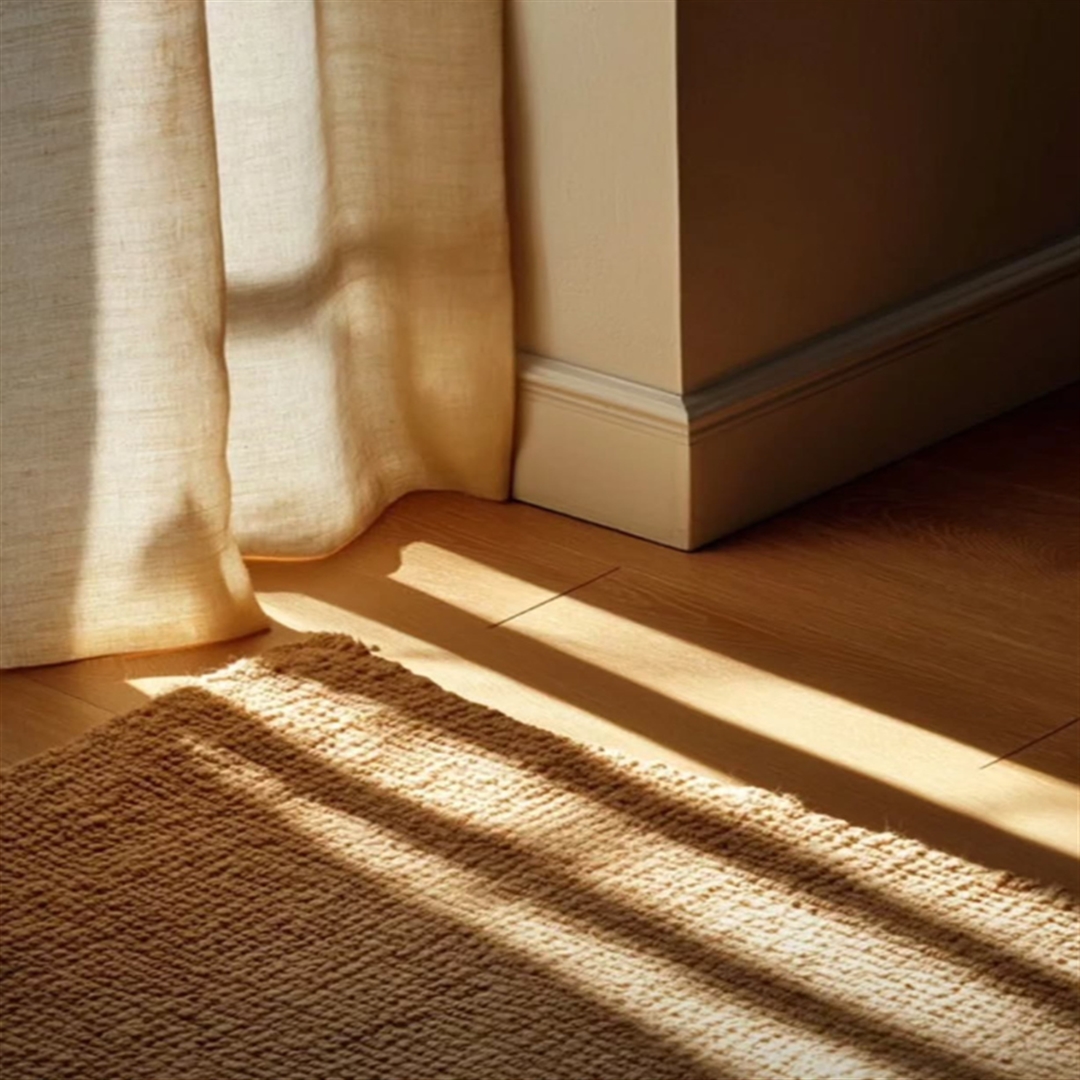
Direct,
prolonged sunlight will fade any rug over time, handmade or machine-made,
natural or synthetic. Wool and natural dyes are particularly vulnerable to UV
exposure.
If your rug
sits in a sunny room:
•
Use curtains, blinds, or UV-filtering window film to reduce direct
sunlight on the rug during peak hours.
•
Rotate the rug regularly so that any fading occurs evenly across
the surface rather than creating a bleached patch near the window.
•
Fading on hand-knotted wool develops slowly and, in many cases,
creates a beautiful antique patina that collectors specifically seek out. A
little fading, evenly distributed, is not damage, it is character.
Quick
tip: If you are rearranging a room and moving a rug that has been
partially under furniture, the covered area will be noticeably brighter than
the exposed area. Leave the rug in its new position for a few months and the
colours will naturally even out.
Spills & Stain Removal
Wool's
natural lanolin creates a protective barrier that gives you time to deal with
spills before they become stains. The key word is time, the faster you act, the
better your chances of complete removal.
Immediate response
The moment a
spill happens:
•
Blot, never rub. Use a clean white cloth or paper towel and press
firmly to absorb as much liquid as possible. Rubbing spreads the stain and
pushes it deeper into the pile.
•
Work from the outside of the spill inward to prevent it spreading
further.
•
For solid or semi-solid spills (food, mud), scoop up as much as
possible with a spoon or blunt knife before blotting.
Cleaning the stain
Once the
excess has been absorbed, mix a solution of cold water and a small amount of
mild dish soap or wool-safe detergent. Apply it to the stain with a clean
cloth, blotting gently. Rinse the area with cold water, again by blotting, not
rubbing, and press dry with a clean towel.
Always use
cold water on wool. Hot water can cause wool fibres to shrink and felt, which
is irreversible.
Quick
tip: White wine or sparkling water on a red wine spill, this is a
genuine first-aid measure, not a myth. The carbonation in sparkling water helps
lift the stain before it sets. Follow with the blot-and-soap method above.
Stains to treat differently
Most stains
respond to the cold water and soap method above. A few require specific
approaches:
•
Grease or oil: sprinkle baking soda or cornstarch on the stain and
leave for 15–20 minutes to absorb the oil before vacuuming it up. Then treat
the residue with the soap method.
•
Wax or chewing gum: place a bag of ice over the area until it
hardens completely, then carefully scrape it off with a blunt knife. Treat any
remaining residue with a small amount of rubbing alcohol on a cloth.
•
Pet urine: blot immediately and thoroughly. Mix equal parts cold
water and white vinegar and apply to the area, vinegar neutralises the ammonia
in urine. Rinse with cold water and blot dry. Act quickly; urine that sets will
be very difficult to remove and can permanently affect the dye.
Quick
tip: Never use bleach, harsh chemical stain removers, or steam
cleaners on a handmade wool rug. These strip the natural oils from the wool,
permanently damage the dye, and in some cases cause the fibres to felt or break
down.
When to call a professional
Some stains,
large wine spills left to dry, ink, dye from other fabrics, or anything that
has set into the pile are beyond home treatment. A professional rug cleaner who
specialises in handmade or oriental rugs will have the right tools and
knowledge to treat these without damaging the rug. Do not attempt aggressive
chemical treatment at home on a rug you value.
Deep Cleaning: Once a Year
Even with
regular vacuuming, a handmade rug benefits from a thorough deep clean every 12
to 18 months to remove accumulated dust, oils, and fine particles that
vacuuming alone cannot reach.
The shake and beat method
On a dry day,
take the rug outside and hang it over a railing or clean line. Beat it firmly
with a rug beater or the flat of your hand. The dust that comes out, even from
a rug you vacuum regularly, is always surprising. This is one of the most
effective deep-cleaning methods available and costs nothing.
Hand washing at home
Smaller rugs
(up to 4x6 ft) can be hand washed at home on a clean outdoor surface on a warm,
dry day:
•
Lay the rug face up on a clean hard surface, a driveway or terrace
works well.
•
Dampen the rug thoroughly with cold water using a hose or bucket.
•
Apply a mild wool-safe shampoo and work it gently into the pile
with a soft brush, working in the direction of the pile.
•
Rinse thoroughly with cold water until no soap remains, soap
residue left in the pile attracts dirt faster.
•
Squeeze out excess water gently, do not wring or twist. Lay flat
or hang to dry in the shade, never in direct sunlight while wet.
•
Ensure the rug is completely dry before placing it back on the
floor. A damp rug placed on a hard floor can cause mildew underneath.
Quick
tip: Drying a wet rug can take 24–48 hours depending on pile depth
and humidity. If you are washing during monsoon season, ensure you have enough
indoor drying space with good air circulation.
Professional cleaning for larger rugs
For rugs
larger than 4x6 ft, or for any rug that is particularly valuable or delicate,
professional cleaning is recommended. Look for a cleaner who specifically
handles handmade, oriental, or wool rugs, not a general carpet cleaning
service, which may use processes too aggressive for handmade pieces.