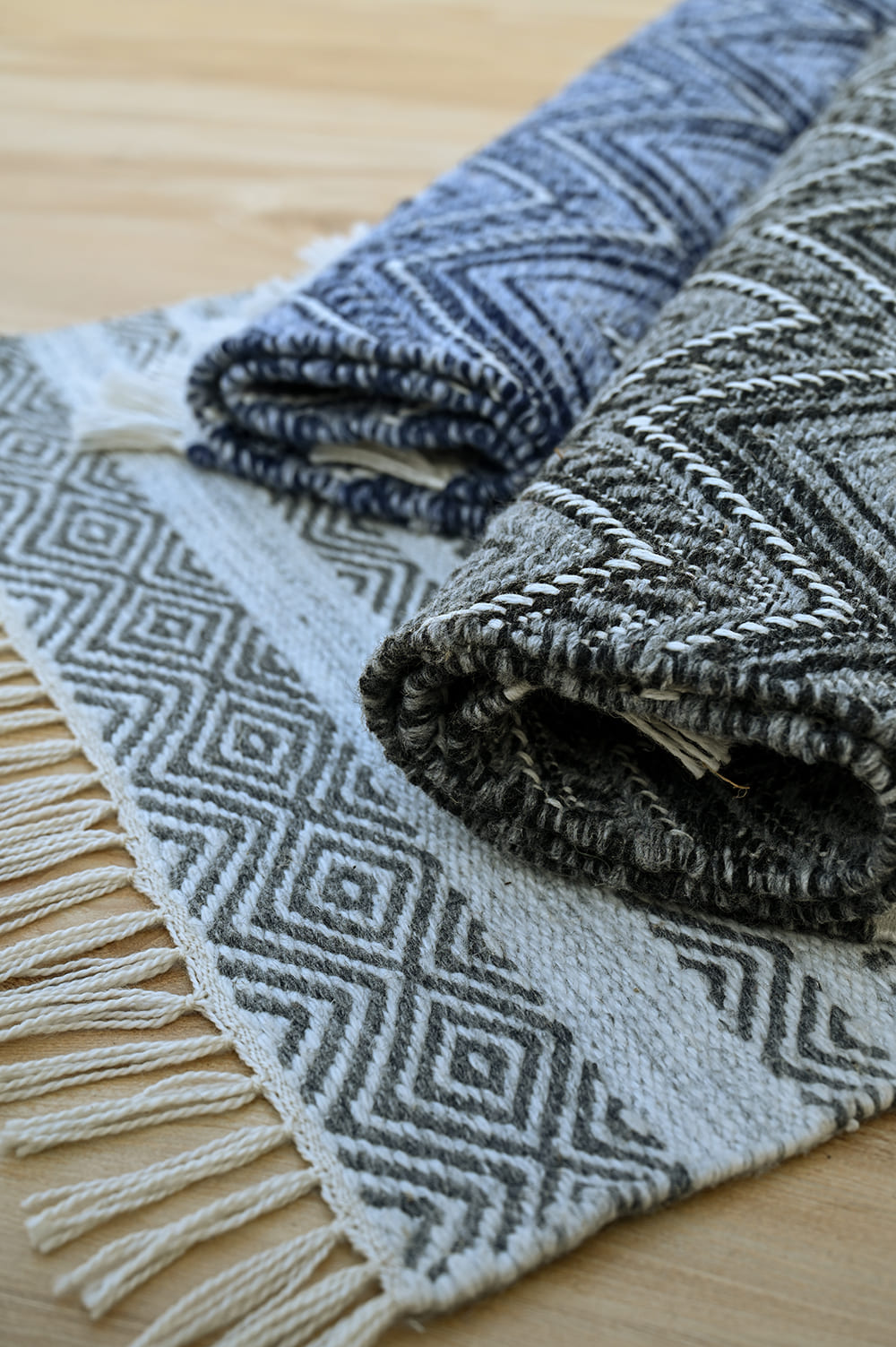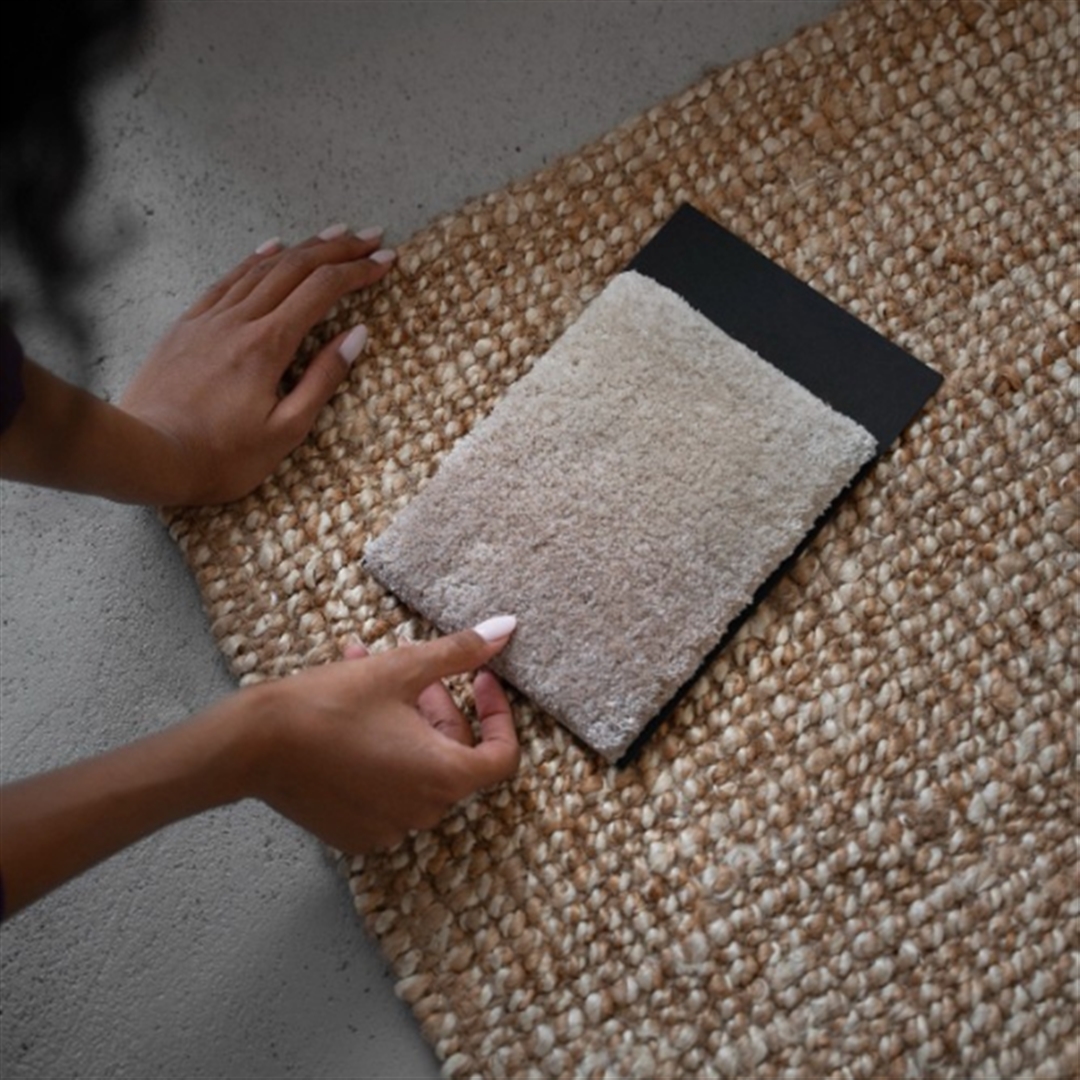
Layering rugs is one of the most talked-about interior styling
techniques right now. Walk through any beautifully styled home on Instagram or
Pinterest and you will almost certainly find a smaller rug sitting on top of a
larger one, adding depth, texture, and personality to a room in a way that a
single rug alone simply cannot.
But for every
person who pulls it off effortlessly, there are many more who try it and end up
with something that looks chaotic, messy, or simply wrong. The difference is
almost always down to a few specific decisions — about size, material, pattern,
and placement — that most styling guides gloss over.
This is the
complete guide to layering rugs: what works, what does not, and exactly how to
do it in every room of your home.
Why Layer Rugs at All?
Before
getting into the how, it is worth understanding the why. Layering rugs is not
just a styling trend. It serves several practical and aesthetic purposes that a
single rug cannot achieve on its own:
•
It adds visual depth and dimension to a room without adding
furniture or changing wall colour
•
It defines multiple zones within an open-plan space, such as a
seating area within a larger living room
•
It allows you to introduce texture, pattern, or colour gradually
rather than committing to one bold statement piece
•
It lets you protect a premium rug in a high-traffic area by
layering a more practical piece on top
•
It is one of the most cost-effective ways to completely change the
look of a room you are already happy with
•
It extends the life of a base rug by reducing direct wear in the
most-used areas
The Three Golden Rules of Rug Layering
Every
successful layered rug combination follows these three principles. Violate any
of them and the result will almost certainly look cluttered.
Rule 1: The base rug must be significantly larger than the top rug
The most
common layering mistake is choosing two rugs that are too close in size. If the
base rug and the top rug are within 1 to 2 feet of each other in each
dimension, the result looks like you ran out of space rather than made a
deliberate choice.
The minimum
difference should be 2 feet on each side. A 9x12 ft base rug works well with a
5x8 ft or 6x9 ft top rug. A 6x9 ft base works with a 4x6 ft or smaller piece on
top. The base rug should be clearly visible as a frame around the top rug from
every angle in the room.
Rule 2: Contrast textures, not patterns
The most
reliably successful layering combinations pair a flat or low-pile base rug with
a higher-pile or more textural top rug. Flat-woven dhurries and jute rugs make
excellent base layers because their low profile means the top rug sits flat and
stable rather than sinking into a plush base.
Two heavily
patterned rugs layered together almost always look busy and unresolved. If both
rugs have pattern, one should be geometric and the other organic. If both have
texture, one should be flat and one should be pile. The contrast between them
is what makes the layering look intentional.
Rule 3: The base rug grounds, the top rug decorates
Think of the
base rug as the foundation of the look. It should be neutral, understated, and
large enough to anchor the entire seating zone. The top rug is where you
introduce personality, colour, or pattern.
This means
your base rug should almost always be a neutral: natural jute, ivory wool, warm
sand, grey, or a subtle stripe. The top rug can be bolder, more colourful, or
more decorative. When people reverse this and put a bold statement piece as the
base with a neutral on top, the result is almost always visually confusing.
Room by Room: How to Layer Rugs in Every Space
Living Room Rug Layering
The living
room is where rug layering is most commonly attempted and most often done
wrong. Here is how to get it right.
Start with a
large neutral base rug that covers the entire seating zone. A 9x12 ft or 8x10
ft natural jute, flat-woven wool, or neutral dhurrie works perfectly. This base
rug should sit under all major furniture legs or at least under the front legs
of the sofa and chairs.
Layer a
smaller, more decorative rug on top, centred in the seating area and sitting in
front of the coffee table rather than under it. This top rug should introduce
texture, pattern, or colour that the base rug does not have.
Best
combinations for the living room:
•
Natural jute base + hand-knotted wool medallion on top
•
Flat-woven neutral dhurrie base + hand-tufted abstract or floral
rug on top
•
Large ivory or grey wool base + a smaller vintage-style or
geometric piece on top
•
Sisal or sea-grass style base + a bold colour-block or tribal rug
on top
What to
avoid: two rugs of similar size, two heavily patterned rugs together, or a
high-pile base under any top rug (the top rug will slide and bunch).
Bedroom Rug Layering
The bedroom
is actually the easiest room to layer rugs in because the bed provides a
natural anchor and the layering does not have to handle the same visual
complexity as a living room.
The most
popular bedroom layering technique is a large neutral base rug extending well
under the bed on all sides, with a smaller, softer, or more decorative rug
placed at the foot of the bed. This creates a moment of warmth and visual
interest exactly where you step out of bed every morning.
Alternatively,
a large base rug can be layered with two matching smaller rugs placed on either
side of the bed, one on each bedside. This creates symmetry and a sense of
considered luxury without the complexity of a full layered look.
Best
combinations for the bedroom:
•
Large flat-woven dhurrie or jute base + soft hand-tufted wool
piece at the bed foot
•
Neutral wool base + a smaller patterned or coloured rug at the
foot
•
Large light base + two matching runners on either side of the bed
Entryway Rug Layering
The entryway
is a smaller space but layering works beautifully here when done with
restraint. A flat-woven or jute runner as the base with a smaller decorative
mat at the door creates both a practical and welcoming entry point.
Keep the
entryway layering simple. No more than two rugs, both low pile, and both
durable enough to handle the highest foot traffic in the home. This is not the
place for a premium hand-knotted piece as a top layer.
Best
combinations for the entryway:
•
Natural jute runner as base + small flat-woven geometric mat at
the door
•
Flat-woven dhurrie runner + small hand-tufted accent piece
Open Plan Living and Dining
Open plan
spaces are where rug layering genuinely earns its place as a functional tool
rather than just a styling choice. In a large open-plan room, separate rugs
under the living area and the dining area define the zones clearly. Layering
within each zone then adds further depth without making the space feel
overcrowded.
The key in
open-plan spaces is that the two zone rugs must be clearly different from each
other to visually separate the areas. Using the same rug in both zones, even at
different sizes, makes the space feel repetitive. A jute or dhurrie base in the
living zone and a more practical, easy-clean rug in the dining zone is both
functional and visually coherent.
The Best Material Combinations for Layering
Not all
material pairings work equally well. Here are the combinations that
consistently produce the best results:
Jute base +
wool top: The classic layering combination. Jute provides a flat, stable,
earthy foundation. Wool on top adds softness, depth, and whatever colour or
pattern you want to introduce. Works in every room.
Flat-woven
dhurrie base + hand-tufted pile top: The low profile of the dhurrie means the
tufted rug sits perfectly flat on top. The colour and pattern contrast between
the two can be very bold because the flat versus pile texture contrast already
provides the visual separation.
Neutral wool
base + patterned wool top: A luxurious combination that works beautifully in
bedrooms and formal living rooms. Both rugs have similar tactile qualities, so
the layering looks cohesive. Ensure the pattern on the top rug has enough
contrast with the neutral base to read clearly.
Recycled PET
base + jute or wool accent top: A practical solution for high-traffic areas
where you want the durability of PET underneath but the warmth of a natural
material on top for the areas that are actually walked on barefoot.
Colour and Pattern: What Works and What Does Not
Colour combinations that work
•
Neutral base with one bold colour in the top rug: the simplest and
most reliable approach
•
Two rugs in the same colour family at different tones: warm sand
base with a terracotta top, for instance
•
A warm neutral base with a top rug that picks up one colour
already present in the room — cushions, curtains, or artwork
•
A cool grey or slate base with a rug that introduces warmth
through colour or material
Pattern combinations that work
•
Geometric base + organic or floral top: the contrast in pattern
language prevents visual competition
•
Stripe or check base + medallion or all-over pattern top:
similarly resolved contrast
•
Plain or subtle texture base + any pattern on top: the safest and
most versatile combination
What to avoid
•
Two large-scale patterns that compete for attention: the eye does
not know where to rest
•
Two rugs in identical or very similar colours without sufficient
texture contrast: looks like a mistake rather than a choice
•
Clashing colour families with no neutral to mediate between them:
orange and teal, for instance, need a strong neutral base to work together