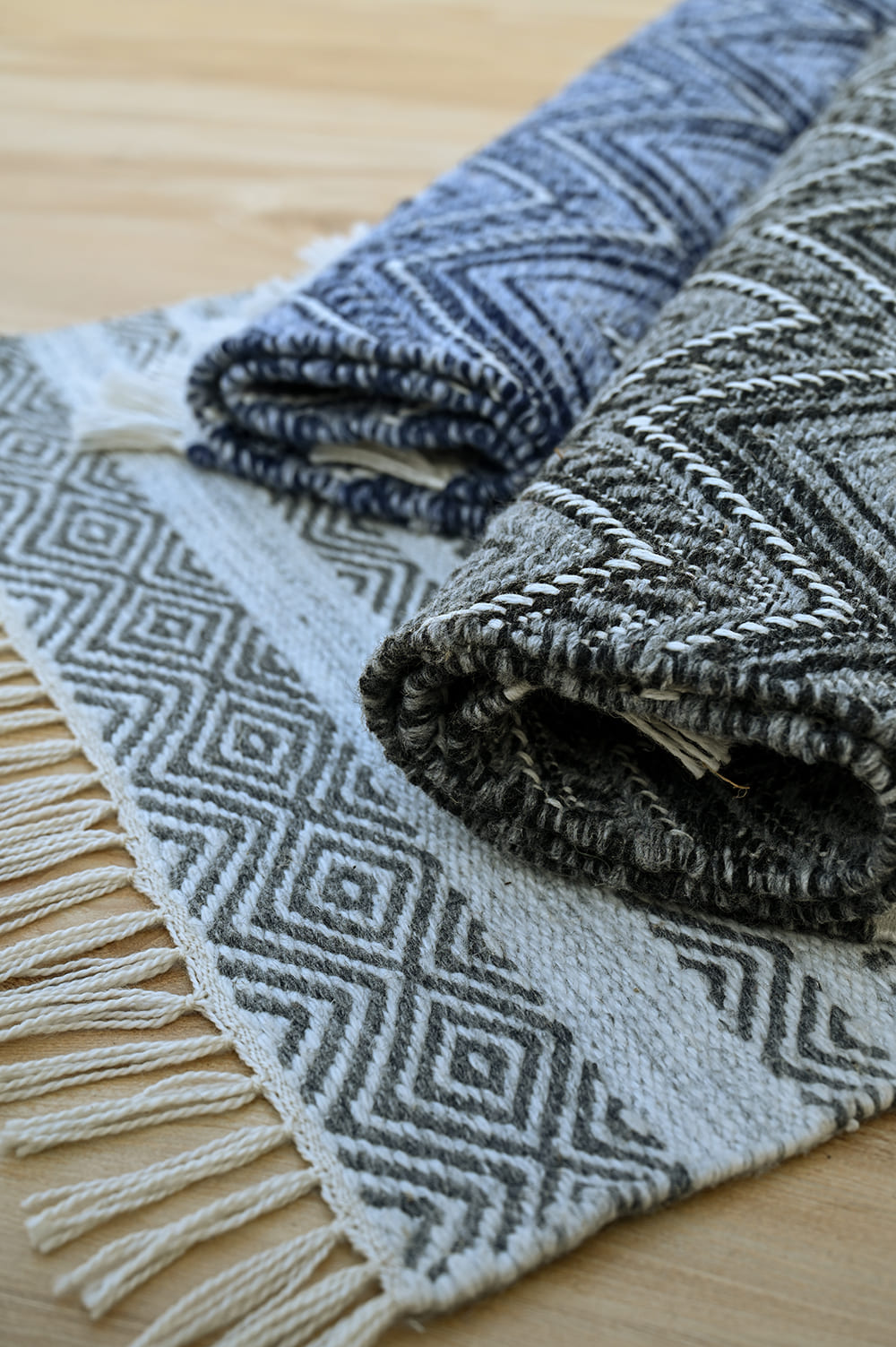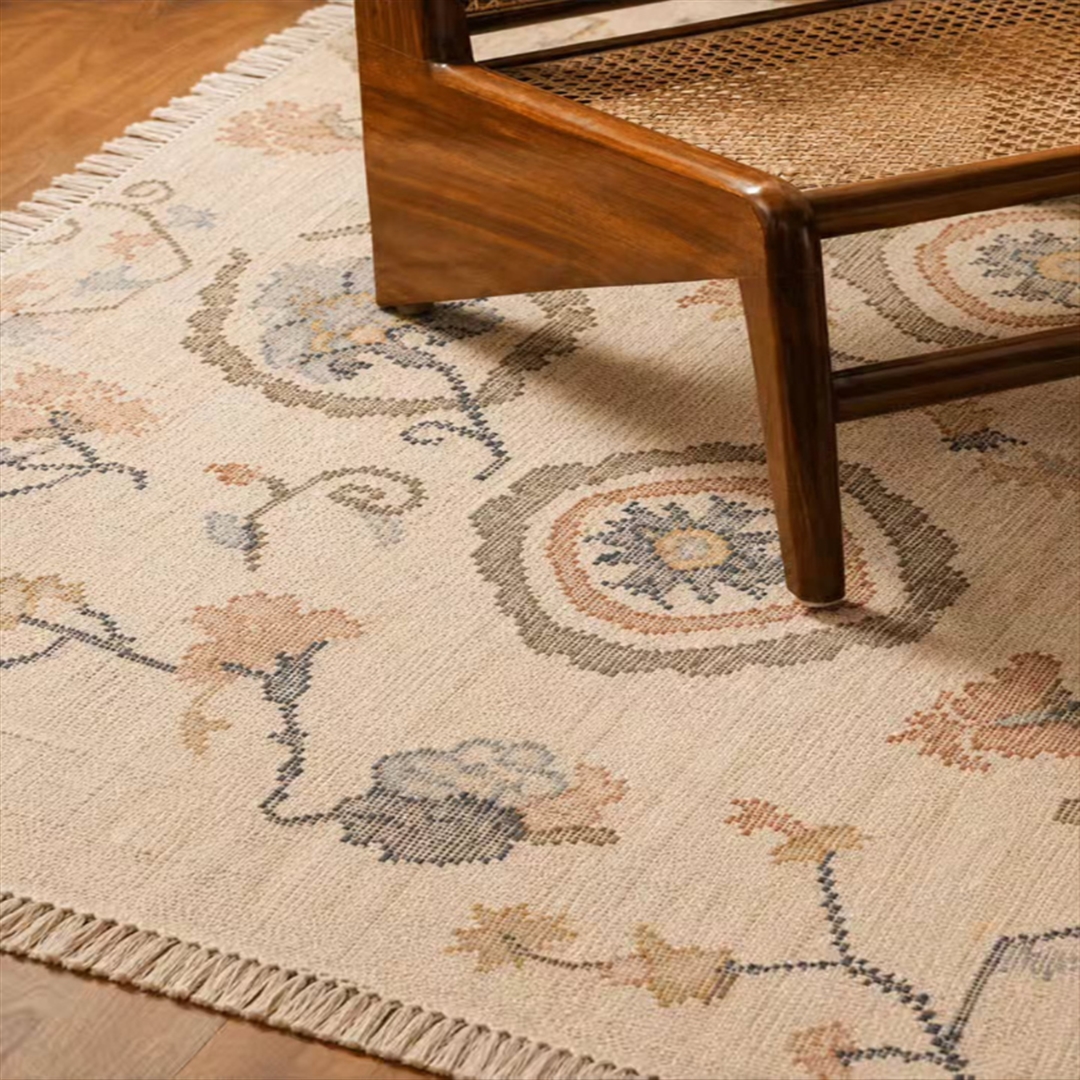
A rug can make or break a room. Get it right and everything
suddenly feels anchored, considered, and complete. Get it wrong and even the
most beautifully furnished space feels off like a frame that doesn't quite fit
the picture. The difference, almost always, comes down to size, material, and
placement.
This guide
takes you through every major room in the home, living room, bedroom, dining
room, entryway, home office, and children's room with specific advice on
sizing, pile height, material, and placement for each. Bookmark it, share it,
and come back to it every time you move into a new space.
Before You Start: Four Rules That Apply to Every Room
Before we go room by room, here are four fundamentals that apply
everywhere:
1. Always measure before you buy
This sounds
obvious, but most rug mistakes are sizing mistakes. Measure your room and your
furniture footprint before looking at a single rug. A rug that is too small
will make the room feel disjointed; a rug that is too large will make it feel
cramped. Write the dimensions down and keep them with you when you shop.
2. Think in zones, not rooms
A rug defines
a zone within a room, not the room itself. A large open-plan living and dining
space might need two separate rugs, one to anchor the seating area and one
under the dining table. Thinking in zones helps you choose the right size and
placement for each function.
3. Match pile height to foot traffic
High-pile
rugs (over 2 cm) are luxurious and soft but trap dust and wear quickly in busy
areas. Low-pile and flat-woven rugs are easier to clean and more durable in
high-traffic zones like hallways and dining rooms. Reserve the plush, deep-pile
pieces for bedrooms and reading corners.
4. Natural fibres behave differently to synthetic ones
Wool softens
with use and resists stains naturally. Jute is earthy and textural but not
suitable for wet areas. Synthetic fibres are easy to clean but do not develop
the same patina over time. Choose your material based on how the room is
actually lived in, not just how it looks in the showroom.
The Living Room
The living
room is where a rug works hardest as a visual anchor for the entire space. It
is also where most people make their biggest sizing mistake.
Sizing
The most
common mistake is choosing a rug that is too small. In a living room, the rug
should be large enough for at least the front legs of all major seating pieces,
sofa and armchairs to rest on it. This visually ties the furniture together and
defines the seating zone.
For most
Indian living rooms, a 6x9 ft or 8x10 ft rug works well. In larger rooms or
open-plan layouts, a 9x12 ft rug may be needed. If in doubt, go larger a bigger
rug almost always looks better than one that floats in the middle of the room.
Quick sizing
guide:
•
Small living room (up to 12x12 ft): 5x8 ft rug
•
Medium living room (12x15 ft): 6x9 ft or 8x10 ft rug
•
Large living room (15 ft+): 9x12 ft rug or two separate rugs
Placement
Three
placements work in a living room: all furniture legs on the rug (most
cohesive), front legs only on the rug (most common and practical), or rug
floating between furniture with no legs on it (only works in very large rooms).
Avoid placing the rug so that no furniture touches it, it will look like an
island.
Material & pile
Hand-knotted
wool is ideal for living rooms, it is durable enough to handle foot traffic,
soft enough to sit on, and improves with age. A medium pile (1–2 cm) is the
sweet spot: plush enough to feel good underfoot but practical enough to vacuum
easily. For homes with young children or pets, a flat-woven dhurrie is a
beautiful and highly practical alternative.
The Bedroom
The bedroom
is the one space where indulgence is justified. This is where you want the
softest pile, the warmest colour, and the most luxurious material because the
first thing your feet touch every morning should feel like a reward.
Sizing
For a
standard double or queen bed, a 6x9 ft rug placed so that roughly 60 cm of rug
extends beyond each side of the bed and the foot of the bed works beautifully.
This means your feet land on the rug the moment you get out of bed, which is
exactly the point.
For a king
bed, step up to an 8x10 ft or 9x12 ft rug. The rug should extend at least 45–60
cm beyond the sides and foot of the bed.
Alternatively,
two smaller rugs, one on each side of the bed work well in smaller rooms or
when you want to use a more premium material without the cost of a large rug.
•
Single bed: 4x6 ft rug or two 2x3 ft runners
•
Double / Queen bed: 6x9 ft rug
•
King bed: 8x10 ft or 9x12 ft rug
Placement
The most
common placement is two-thirds of the rug under the bed, one-third visible at
the foot and sides. Tuck the head-end of the rug under the bed, you do not need
rug coverage where the headboard sits.
Material & pile
This is the
room for high pile. A deep, soft hand-knotted or hand-tufted wool rug
transforms a bedroom floor into something you actively look forward to stepping
onto. Traffic is low, cleaning is infrequent, and the rug is primarily
experienced by bare feet, all of which make this the ideal room for a premium
piece. Colours tend toward warm neutrals, soft blues, and blush tones in
bedrooms, though a rich jewel tone can be spectacular under a neutral bed linen
scheme.
The Dining Room
The dining
room is the most practical rug decision in the home. Get the size wrong here
and you will be pulling chairs off the edge of the rug every time someone sits
down, one of the most reliably frustrating daily experiences a rug can create.
Sizing
The rule is
simple: the rug must be large enough for all dining chairs to remain on the rug
when pulled out from the table. This means adding at least 60 cm on all sides
of the table to account for chair movement.
•
4-seater dining table: minimum 6x9 ft rug
•
6-seater dining table: minimum 8x10 ft rug
•
8-seater dining table: 9x12 ft rug or larger
When in
doubt, size up. A rug that is too large in a dining room is a minor aesthetic
issue. A rug that is too small causes daily frustration.
Placement
Centre the
rug under the dining table. The table should sit in the middle of the rug with
equal overhang on all sides.
Material & pile
Low pile or
flat-woven is essential here. Chair legs catch on high-pile rugs and pull
fibres loose over time. Food and liquid spills are inevitable. Choose a wool
flat-weave or a tightly woven dhurrie both are beautiful, easy to spot-clean,
and handle chair movement without snagging. Avoid jute in dining rooms; it does
not respond well to spills.
The Entryway
The entryway is the first thing a guest sees and the last thing you pass on your way out. A well-chosen rug here sets the tone for the entire home.
Sizing
Most Indian entryways are narrow, which makes a runner the natural choice. A runner should leave 10–15 cm of floor visible on each side, this frames the rug and makes the space feel considered rather than covered.
• Narrow entryway (under 1.2 m wide): 2x6 ft or 2.5x8 ft runner
• Wide entryway or foyer (1.5 m+): 4x6 ft or 5x8 ft rug
Material & pile
This is the highest-traffic area in the home, so durability is the priority. A flat-woven wool dhurrie or a low-pile hand-knotted rug in a dark or multi-tonal colour is ideal, the pattern or colour complexity will hide dirt and wear far better than a light-coloured solid. Avoid cream, white, or very pale colours in entryways regardless of how beautiful they look in photographs.
The Home Office
Home offices are often afterthoughts when it comes to rugs, but a well-chosen rug here does something specific: it acoustically softens the space, reduces echo on calls, and makes a functional room feel considered and calm.
Sizing
If your desk is against a wall, a rug that extends 60–90 cm in front of the desk is sufficient. If your desk is freestanding in the centre of the room, treat it like a living room, place the rug so that the desk and chair both sit on it with room to push back.
• Desk against wall: 4x6 ft rug
• Freestanding desk: 6x9 ft rug
Material & pile
If you use a desk chair with wheels, a flat-woven or very low-pile rug is essential, chair wheels catch on anything over 1 cm pile and the rug will show wear tracks within months. A dhurrie is perfect here. If you use a fixed chair, a medium-pile wool rug adds warmth and acoustic softness without practical drawbacks.